Trezor.io/start: Your Complete Guide to Setting Up a Secure Cryptocurrency Wallet
Cryptocurrency has introduced a revolutionary way to store, send, and invest money. Unlike traditional banks, cryptocurrencies are self-custodied, meaning users are fully responsible for the safety of their funds. The cornerstone of this security is the private key—a unique digital code that grants access to your crypto. If this key is lost or stolen, there is no recovery through a bank or service.
This is where Trezor hardware wallets and the official setup portal Trezor.io/start come into play. Trezor provides a highly secure environment for managing cryptocurrencies, and Trezor.io/start guides users through a safe, step-by-step process to initialize their wallet. This article explores the platform, its features, setup process, security considerations, and best practices.
What Is Trezor.io/start?
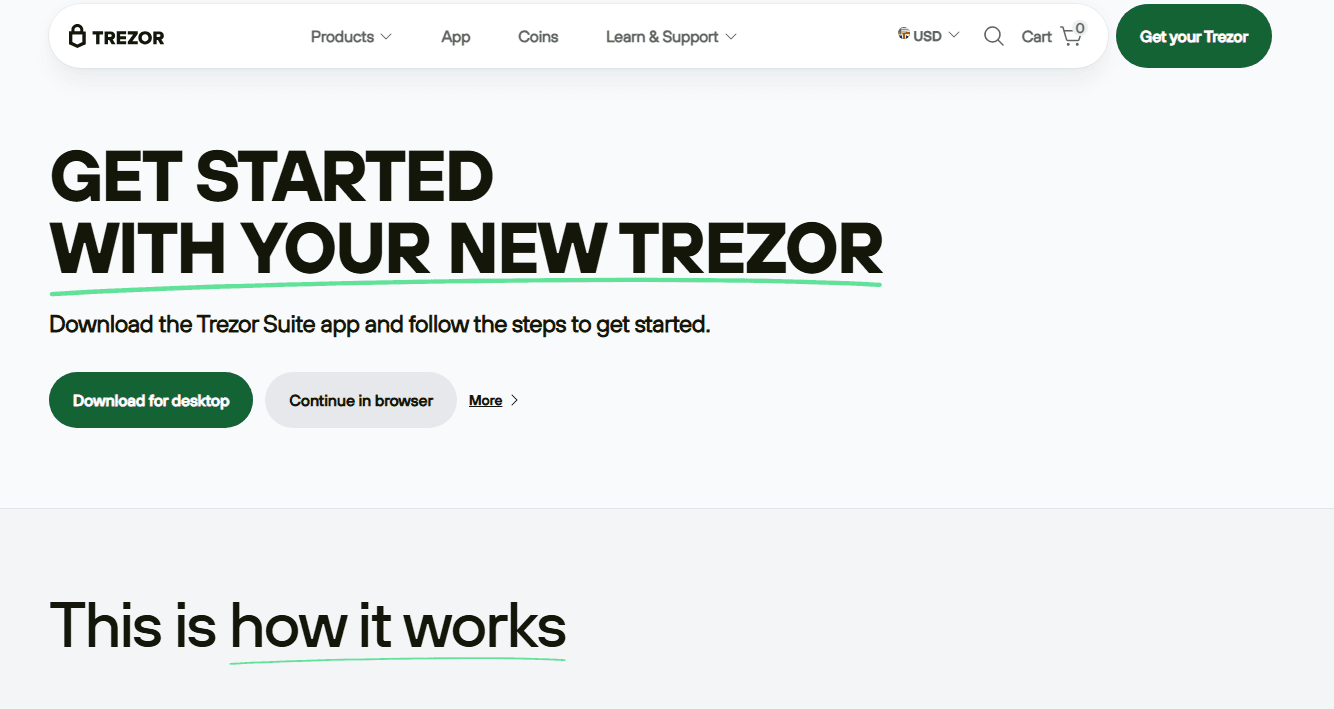
Trezor.io/start is the official entry point for setting up a Trezor hardware wallet. It is a web-based platform that ensures users initialize their wallets safely while avoiding phishing attacks and malware.
The platform provides:
Clear instructions for connecting the Trezor device to a computer.
Guidance for downloading and installing Trezor Suite, the official wallet management software.
Steps for creating a secure wallet with a PIN and recovery seed.
Tips for verifying device authenticity and safeguarding funds.
By using Trezor.io/start, users ensure they follow the correct procedures for initializing and securing their wallet.
Why Start with Trezor.io/start?
Using Trezor.io/start is not optional—it is essential for protecting your digital assets. Cryptocurrency holders face significant risks such as phishing, hacking, and malware. The official setup platform mitigates these risks by providing:
Verified Setup Instructions: Step-by-step guidance for initializing the wallet safely.
Safe Downloads: Links to the official Trezor Suite and firmware updates.
Recovery Seed Instructions: Educates users on how to store their seed securely offline.
Device Verification: Ensures the hardware device is authentic and untampered.
Starting at Trezor.io/start gives users confidence that their wallet is set up according to industry-standard security practices.
Trezor Wallet Models
Trezor.io/start supports two main hardware wallet models:
Trezor One:
Entry-level wallet with physical buttons for navigation.
Supports all major cryptocurrencies.
Lightweight and simple to use for beginners.
Trezor Model T:
Premium wallet with a touchscreen interface.
Supports additional cryptocurrencies and tokens.
Enhanced security features and faster setup experience.
Both devices store private keys offline, ensuring that critical information never leaves the device, which drastically reduces exposure to online threats.
Step-by-Step Setup via Trezor.io/start
Trezor.io/start provides a structured workflow for wallet initialization.
Step 1: Verify Your Device
Before connecting the hardware wallet:
Ensure the packaging is sealed and untampered.
Confirm all accessories (USB cable, manuals) are present.
Verify device authenticity following the instructions on Trezor.io/start.
Step 2: Install Trezor Suite
Navigate to Trezor.io/start.
Click the download link for Trezor Suite.
Select the correct version for your operating system: Windows, macOS, or Linux.
Follow the installation instructions carefully.
Security Tip: Always download Trezor Suite from the official website to avoid malicious software.
Step 3: Connect the Trezor Device
Plug the hardware wallet into your computer using the supplied USB cable.
Trezor Suite will automatically detect the device.
Step 4: Initialize the Wallet
Through Trezor.io/start, users can:
Create a new wallet or restore an existing one using a recovery seed.
Set a strong PIN code to protect the device from unauthorized access.
Record the recovery seed (12, 18, or 24 words) securely offline.
Step 5: Confirm Recovery Seed
Trezor.io/start instructs users to verify the recovery seed by selecting the words in the correct order on the device. This ensures the seed is accurate and safely stored, which is crucial for restoring the wallet if the device is lost or damaged.
Logging Into Trezor Suite
Once setup is complete:
Open Trezor Suite on your desktop or supported browser.
Connect the Trezor device via USB.
Enter the PIN code on the hardware wallet.
Confirm that Trezor Suite recognizes the wallet.
Now, your Trezor wallet is ready to send, receive, and manage cryptocurrencies securely.
Security Features Highlighted by Trezor.io/start
Trezor.io/start emphasizes the importance of several security layers:
Offline Key Storage: Private keys remain on the device and are never exposed online.
PIN Code: Protects the device from unauthorized access.
Optional Passphrase: Adds an extra layer of encryption.
Physical Confirmation: Every transaction must be approved on the hardware device.
Firmware Verification: Confirms the device runs official Trezor firmware.
These security measures make Trezor one of the safest wallets for cryptocurrency.
Supported Cryptocurrencies
Trezor wallets initialized via Trezor.io/start support a broad range of cryptocurrencies:
Bitcoin (BTC)
Ethereum (ETH) and ERC-20 tokens
Litecoin (LTC)
Bitcoin Cash (BCH)
Dash (DASH)
Zcash (ZEC)
The platform also allows integration with decentralized finance (DeFi) protocols for users who wish to explore advanced blockchain applications.
Sending and Receiving Funds
Trezor.io/start ensures users understand how to handle cryptocurrency transactions safely:
Sending Cryptocurrency
Open Trezor Suite and select the desired account.
Click Send, enter the recipient address and amount.
Verify transaction details on the Trezor device.
Confirm the transaction to broadcast it to the blockchain.
Receiving Cryptocurrency
Open the desired account in Trezor Suite.
Click Receive to generate a unique wallet address.
Confirm the address on the device.
Share the verified address with the sender.
This physical verification ensures funds cannot be redirected by malware or phishing attacks.
Portfolio Management
Trezor.io/start guides users to use Trezor Suite for effective portfolio management:
Real-Time Balances: View total holdings instantly.
Performance Metrics: Track growth and historical trends.
Multi-Account Management: Organize multiple wallets for personal, business, or investment purposes.
Such features help users maintain a clear overview of their digital assets.
Advanced Features
Trezor Suite offers advanced capabilities once the wallet is set up:
Token Swaps: Exchange cryptocurrencies within the platform securely.
DeFi Integration: Interact with decentralized applications safely.
Custom Transaction Fees: Adjust fees to optimize cost or speed.
Multi-Account Organization: Separate assets for different goals.
These features allow experienced users to manage and optimize their crypto activities without sacrificing security.
Troubleshooting Common Issues
Even with guidance from Trezor.io/start, users may encounter challenges:
Device Not Detected
Cause: USB issues or outdated Suite.
Solution: Try a different port, reconnect, and update the software and firmware.
Forgotten PIN
Cause: User cannot recall PIN.
Solution: Device locks after multiple failed attempts; restore wallet with recovery seed.
Transaction Delays
Cause: Blockchain congestion or low fees.
Solution: Increase transaction fees or wait for confirmations.
Browser Compatibility Issues
Cause: Outdated browser or conflicting extensions.
Solution: Use the desktop Suite or a supported browser.
Best Practices
Trezor.io/start emphasizes security and usability best practices:
Always download Suite from the official website.
Use a strong PIN and optional passphrase.
Store recovery seeds offline and securely.
Verify all transactions on the device.
Keep firmware and Suite updated.
Separate accounts for different types of assets.
Avoid public Wi-Fi when accessing your wallet.
Following these practices ensures maximum security and peace of mind.
Desktop vs Web Platform
Desktop Application: Offers offline security, multi-account management, and advanced features.
Web Interface: Convenient for quick access, but users must ensure browser safety.
All critical operations require physical confirmation on the Trezor device, ensuring private keys remain safe.
Conclusion
Trezor.io/start is the official starting point for safely setting up a Trezor hardware wallet. It guides users through installation, PIN and recovery seed setup, and device verification. By following its steps, cryptocurrency holders can:
Securely manage, send, and receive cryptocurrencies.
Monitor portfolio performance effectively.
Access advanced features such as token swaps and DeFi integration.
Protect their assets with offline key storage and multi-layered security.
Starting at Trezor.io/start guarantees that your wallet is initialized according to industry-standard security practices, giving you confidence in the safety of your digital assets.